
7 Key Differences Between the Paper-Based and Digital ACT for 2026 Applicants

For many students, the ACT still feels familiar. Same sections, same name, exact expectations. What has quietly changed is how the test behaves, especially with the shift toward digital formats. Students preparing in 2026 are no longer choosing between two interchangeable modes. They are choosing between two different testing experiences that demand different preparation strategies.
Treating the digital ACT as a paper test on a screen is one of the most common and costly mistakes students make. The differences are not cosmetic. They affect timing, focus, stamina, and decision-making throughout the test.
Below are the seven differences that matter in practice, not just engaging with what truly matters in practice.
1. Time pressure feels fundamentally different on a screen
On paper, students see the entire section at once. They physically flip pages, glance ahead, and subconsciously pace themselves based on how much paper remains. This creates a natural sense of progress and urgency.
In the digital ACT, time pressure is experienced differently. Students move question by question on a screen, often without the same visual cues of remaining content. This changes pacing behaviour. Some students rush early because they cannot “see” how much is left. Others slow down unintentionally and realise too late that time has slipped away.
The clock may be the same, but the perception of time is not. Digital mock tests are critical because they train students to recalibrate pacing instincts for a screen-based environment.
2. Navigation and section awareness are no longer intuitive
Paper tests allow for effortless navigation. Students underline, circle, flip back, and physically mark questions. These actions help memory and orientation. On a screen, navigation is mediated through buttons, tabs, and scrolling. Even small inefficiencies compound over the course of an extended test.
Students often underestimate the mental effort required to navigate digital environments. Repeated exposure to the test interface can help students feel more prepared and less anxious about mechanics during the test.
Digital preparation must include repeated exposure to the exact navigation logic of the test interface, not just the questions themselves.
3. Reading comprehension behaves differently on screens
Reading long passages on paper and on screens elicits attentional differences. On paper, students naturally track lines, annotate margins, and scan back and forth with ease. On screens, scrolling disrupts spatial memory. Students are more likely to reread lines, lose context, or miss subtle details.
This difference is especially significant in the ACT Reading and English sections. Students who perform well on paper-based passages sometimes experience unexpected declines in accuracy when reading digitally, not because their comprehension is weaker, but because their reading habits no longer align with the medium.
Digital mocks train students to adapt reading strategies for screens, including how to pace scrolling, when to pause, and how to retain context without physical annotations.
4. Fatigue sets in earlier in the digital format
Screen-based testing introduces a specific kind of cognitive fatigue. Visual strain, reduced physical movement, and constant focus on a glowing display accumulate over time. Many students feel mentally sharp early on but experience a noticeable dip in focus later in the test.
On paper, small physical actions such as page turning and writing provide micro-breaks that help sustain attention. The digital ACT removes many of these cues. Without training, students underestimate how draining the experience can be.
Full-length digital mock tests are essential not only for accuracy but also for building endurance that closely mimics real test conditions, helping students prepare for fatigue.
5. Error patterns shift between formats
In paper-based tests, errors often come from miscalculation or misreading. In digital tests, a new category of errors appears: interface-driven mistakes. Clicking the wrong option, misinterpreting highlighted text, forgetting to review flagged questions, or mismanaging time due to poor navigation choices.
These errors are not conceptual. They are behavioural. Students who do not practise digitally tend to blame themselves for “carelessness” without realising that the medium itself is contributing to these mistakes.
Digital mock analysis helps distinguish conceptual gaps from format-driven errors, allowing students to address the correct problem.
6. Review strategies must change completely
On paper, reviewing answers is straightforward. Students flip back, skim circled questions, and quickly reassess choices. In the digital ACT, review requires structured navigation. Students must rely on flagged questions, on-screen summaries, and time awareness.
Many students plan to “review at the end” without realizing that digital review is slower and more deliberate. As a result, review time often disappears before meaningful checking can happen.
Practising review strategies in digital mocks is the only way to make reviews realistic rather than relying on assumptions.
7. Preparation methods that worked for paper no longer scale cleanly
Perhaps the most crucial difference is this: strategies that worked well for the paper ACT do not automatically transfer to the digital version. Solving worksheets, timing yourself loosely, or doing section-wise practice without full simulations creates a false sense of readiness.
The digital ACT rewards students who are comfortable performing inside a system, not just solving questions. Preparation must include repeated, full-length digital tests, detailed performance analyses, and data-driven behavioural adjustments.
This is why structured ACT preparation today places digital mock testing at the center of training rather than treating it as a final check. Programs that follow this approach, such as those offered by AP Guru, integrate digital ACT mocks throughout the preparation timeline rather than waiting until the end.
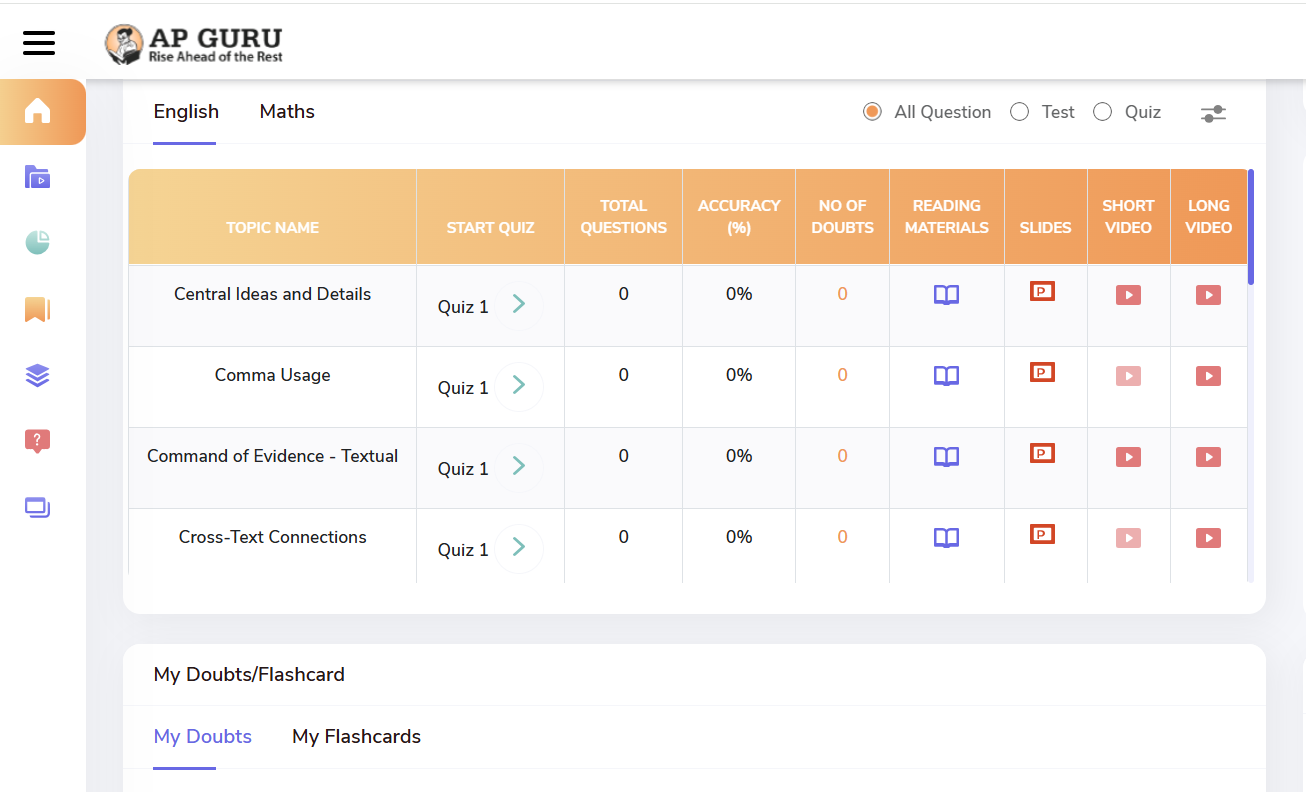
Students preparing through the AP Guru platform train directly in a digital testing environment via the student portal:
https://portal.apguru.com/
This ensures that pacing, endurance, navigation, and review strategies are developed under real exam conditions rather than imagined ones.
Final perspective
The paper-based and digital ACT may test similar academic skills, but they demand different performance skills. Students who ignore these differences risk being caught off guard by format-related challenges rather than academic difficulty.
In 2026, success on the ACT will depend not just on what students know, but on how effectively they can apply that knowledge within a digital system.
Preparation that reflects the exam environment is no longer optional. It is the difference between feeling prepared and being prepared.