
How To Reduce Stress And Support Student Well-Being
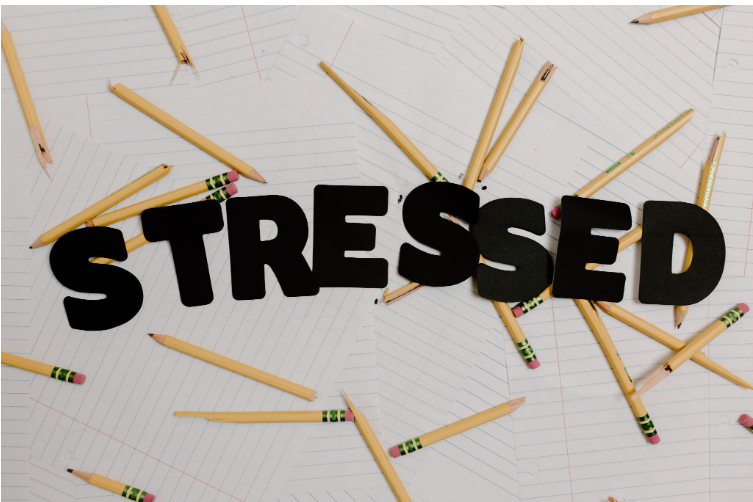
Student life can be exciting, but it also comes with academic pressure, financial concerns, social expectations, and uncertainty about the future. When these challenges accumulate, they can affect concentration, motivation, sleep, and emotional well-being. Learning how to manage stress is therefore an important part of a successful educational experience. By developing healthy routines, organizing academic responsibilities, maintaining social connections, and seeking support when needed, students can protect their well-being while working toward their goals.
Why Is Stress Management Important for Students?
Stress management helps students maintain their physical health, emotional balance, and ability to learn. A certain amount of pressure can motivate someone to prepare for an exam or meet a deadline. However, persistent stress can make it harder to concentrate, remember information, and complete everyday tasks.
Academic demands are a common source of pressure. Students may need to balance lectures, exams, research projects, part-time jobs, and personal responsibilities. Uncertainty about grades or future career opportunities can add another layer of anxiety.
Recognizing stress early makes it easier to respond before it becomes overwhelming. Common signs include irritability, difficulty sleeping, frequent headaches, trouble concentrating, and feeling constantly exhausted. These symptoms can have different causes, so they should not automatically be attributed to stress.
Rather than expecting yourself to handle every challenge perfectly, focus on identifying what you can control. Setting realistic goals, asking questions when instructions are unclear, and making time for rest can help reduce unnecessary pressure. Effective stress management does not eliminate every challenge. Instead, it helps students respond to difficulties in healthier and more sustainable ways.
How Can Students Manage Academic Pressure More Effectively?
Students can manage academic pressure more effectively by organizing their schedules, setting realistic goals, and finding appropriate support during stressful periods. When several deadlines overlap, it is understandable to feel overwhelmed and look for ways to make the workload more manageable. In particularly stressful situations, some students consider to pay for research paper on PapersOwl to explore academic assistance and reduce the pressure of demanding assignments. There are also several practical strategies that can make academic responsibilities easier to handle. Start by creating a weekly schedule that includes lectures, study sessions, assignment deadlines, and time for relaxation. Break large projects into smaller tasks, such as researching a topic, collecting credible sources, preparing an outline, and proofreading the final draft. Completing one step at a time can make progress feel more achievable and prevent last-minute panic. It is equally important to recognize personal limits and avoid expecting perfect results in every subject. If an assignment seems confusing, ask the instructor for clarification or seek guidance from a tutor. Studying with classmates can also help students exchange ideas and understand difficult concepts. Additionally, regular sleep, balanced meals, and physical activity support concentration and emotional well-being. Students should remember that taking breaks is not a waste of time; it can help restore focus and prevent exhaustion. If academic stress becomes persistent or interferes with daily life, contacting a campus counselor or academic adviser may be beneficial. By combining practical planning with appropriate support, students can approach challenging assignments more confidently and maintain a healthier balance between their education and personal lives.
What Daily Habits Can Improve Student Well-Being?
Healthy daily habits can support both physical and emotional well-being. Regular sleep, balanced meals, physical activity, and time away from academic work provide a foundation for managing everyday stress.
Most adults need at least seven hours of sleep each night, although individual needs vary. Maintaining a consistent bedtime and reducing stimulating activities before sleep can make it easier to rest. Sleep also plays an important role in attention, learning, and memory.
Physical activity is another useful habit. Walking, cycling, dancing, swimming, or participating in a favorite sport can help release tension and improve mood. Students do not necessarily need an intensive workout routine; even short periods of movement can provide a helpful break from studying.
Eating regularly and staying hydrated can also support energy and concentration. Skipping meals because of a busy schedule may make it harder to feel focused throughout the day.
In addition, make room for activities that are enjoyable without being connected to grades or career goals. Reading for pleasure, listening to music, spending time outdoors, or pursuing a creative hobby can provide a welcome mental reset.
These habits do not need to be introduced all at once. Start with one manageable change and build a routine that fits your schedule, preferences, and circumstances.
How Can Students Balance Studying and Personal Life?
Maintaining a healthy balance between studying and personal life requires clear priorities and realistic boundaries. Academic responsibilities matter, but they should not occupy every waking hour.
One useful strategy is to create a schedule that includes both work and recovery time. For example, dedicate specific periods to studying, then take breaks before returning to demanding tasks. Keep your plan flexible enough to accommodate unexpected assignments or changes in your routine.
Learning to say no can also be important. Taking part in every event, accepting every request, or joining too many activities may leave little time for rest. Choose commitments that align with your priorities and allow you to maintain a manageable workload.
Digital habits deserve attention as well. Constant notifications, social media comparisons, and messages can interrupt concentration and make it difficult to disconnect. Consider turning off unnecessary notifications while studying and setting limits on screen time before bed.
Personal relationships are another essential part of student life. Make time to connect with friends and family, even during busy periods. Meaningful social interaction can provide encouragement, perspective, and a sense of belonging.
Remember that balance will not look the same every day. During exam periods, studying may require more time, while quieter weeks can offer more opportunities for social activities and hobbies. The goal is to maintain a sustainable pattern over time.
Why Are Social Connections Important for Student Mental Health?
Social connections can help students feel supported, understood, and less isolated during challenging periods. Starting college, moving to a new city, or adjusting to a different learning environment may involve significant changes in routines and relationships.
Building connections does not require becoming highly social or attending every campus event. Joining a club, participating in a study group, volunteering, or talking with classmates before a lecture can create opportunities to meet people with shared interests.
When stress becomes difficult to manage, talking to someone trustworthy can also help. A friend or family member may offer encouragement or simply listen without judgment. Explaining a problem aloud can sometimes make it easier to identify the next step.
However, friends should not be expected to replace professional support when serious difficulties arise. If emotional distress persists or begins interfering with everyday life, a qualified mental health professional can help assess the situation and discuss appropriate options.
Students who study remotely can make a conscious effort to maintain social contact through regular calls, online communities, or occasional in-person activities where possible. Consistent, meaningful connections matter more than having a large social circle.
What Relaxation Techniques Can Help Reduce Student Stress?
Relaxation techniques can help students manage moments of tension and create short breaks from demanding tasks. Different methods work for different people, so it may take some experimentation to find an approach that feels comfortable.
Deep breathing is one simple option. Breathe slowly and gently, allowing the exhale to be slightly longer than the inhale if that feels comfortable. Continue for a few minutes without forcing your breathing. Stop if you feel dizzy or uncomfortable.
Mindfulness involves paying attention to the present moment rather than becoming absorbed in worries about the past or future. Students can practice by noticing their surroundings, focusing on their breathing, or eating a meal without distractions.
Progressive muscle relaxation involves gently tensing and then releasing different muscle groups. This can help people notice and reduce physical tension, although anyone with pain or a relevant medical condition should adapt the technique appropriately.
Another option is spending time in nature. A short walk through a park or a few minutes outdoors can provide a change of environment and a break from screens.
Relaxation techniques are not a substitute for professional care when needed, but they can complement other healthy habits. The most useful approach is one that feels practical enough to repeat regularly.
When Should Students Seek Professional Support?
Students should consider professional support when stress, anxiety, low mood, or sleep difficulties persist, become more intense, or interfere with daily activities. There is no need to wait until a situation feels unbearable before asking for help.
Many colleges and universities offer counseling services, student health centers, academic advisers, or well-being programs. These services may help students explore coping strategies, discuss academic challenges, or find appropriate referrals.
Before an appointment, it may be useful to write down the main concerns, how long they have been occurring, and which parts of daily life they affect. This can make it easier to explain the situation and discuss possible next steps.
Professional support is especially important when a student finds it difficult to attend classes, maintain relationships, sleep regularly, or complete everyday responsibilities. If someone is in immediate danger or may harm themselves, they should contact local emergency services or an appropriate crisis service.
Seeking help is a practical step toward well-being, not a sign of failure. With suitable support, students can better understand their difficulties and develop strategies that fit their individual circumstances.
Conclusion: How Can Students Build a Healthier, Less Stressful Life?
Reducing stress and supporting student well-being requires a combination of healthy habits, realistic academic planning, personal boundaries, and supportive relationships. Regular sleep, physical activity, relaxation techniques, and manageable schedules can help students cope with everyday demands.
It is equally important to recognize when additional support is needed. Talking to trusted people, contacting campus services, or consulting a qualified professional can make difficult periods easier to navigate.
There is no single routine that works for everyone. Start with small, achievable changes, pay attention to what helps, and adjust your habits as circumstances change. By treating well-being as an essential part of student life rather than an optional extra, students can create a healthier foundation for learning, personal growth, and future success.